How to Choose a Dune Buggy for the Dubai Desert
Choosing the right dune buggy in Dubai starts with being clear about what the vehicle needs to do. The desert is not a flat car park with sand at the edges. Soft sand, changing dune faces, heat, and long stretches between shaded areas all affect how comfortable and capable an off-road vehicle feels. A sensible choice comes from matching the buggy, the route, and the driver rather than chasing the biggest engine or the boldest look.
Start with the kind of driving you want
Before looking at models, decide what sort of outing you have in mind. A short ride over gentle dunes asks for different qualities from a longer desert safari with steep climbs and technical descents. If the aim is a relaxed introduction, stability and easy controls matter more than raw speed. If the route includes larger dunes, power, traction, and a strong suspension become more important.
Think about who will drive. An all-terrain vehicle can feel lively even at modest speeds, especially when the surface changes from firm sand to a soft dune slope. A driver who is new to off-road driving may prefer a buggy with predictable throttle response and a seating position that feels secure. More experienced drivers may want a vehicle that can handle sharper turns and faster approaches, provided the route and local rules allow it.
Also consider passengers. A two-seat buggy is usually easier to judge in terms of weight and balance. A four-seat machine may suit a family, but extra occupants and luggage change how it behaves on sand. Ask how the seats are arranged, whether passengers have enough legroom, and whether the vehicle feels cramped once everyone is wearing safety gear.
Set a practical budget range before comparing options
It helps to set a broad spending limit early, then compare what falls within it. The cheapest option is not always the best value if it lacks important features or leads to a shortened experience. At the same time, a higher specification is only useful if the driver can handle it and the route makes use of it.
Look at what the quoted rate includes, without assuming anything. Items worth checking include fuel, safety gear, guidance, route planning, recovery support, and any extra charges linked to time or distance. A clear comparison is more useful than a single headline figure. If one option appears cheaper but leaves out several essentials, it may not be the smarter choice.
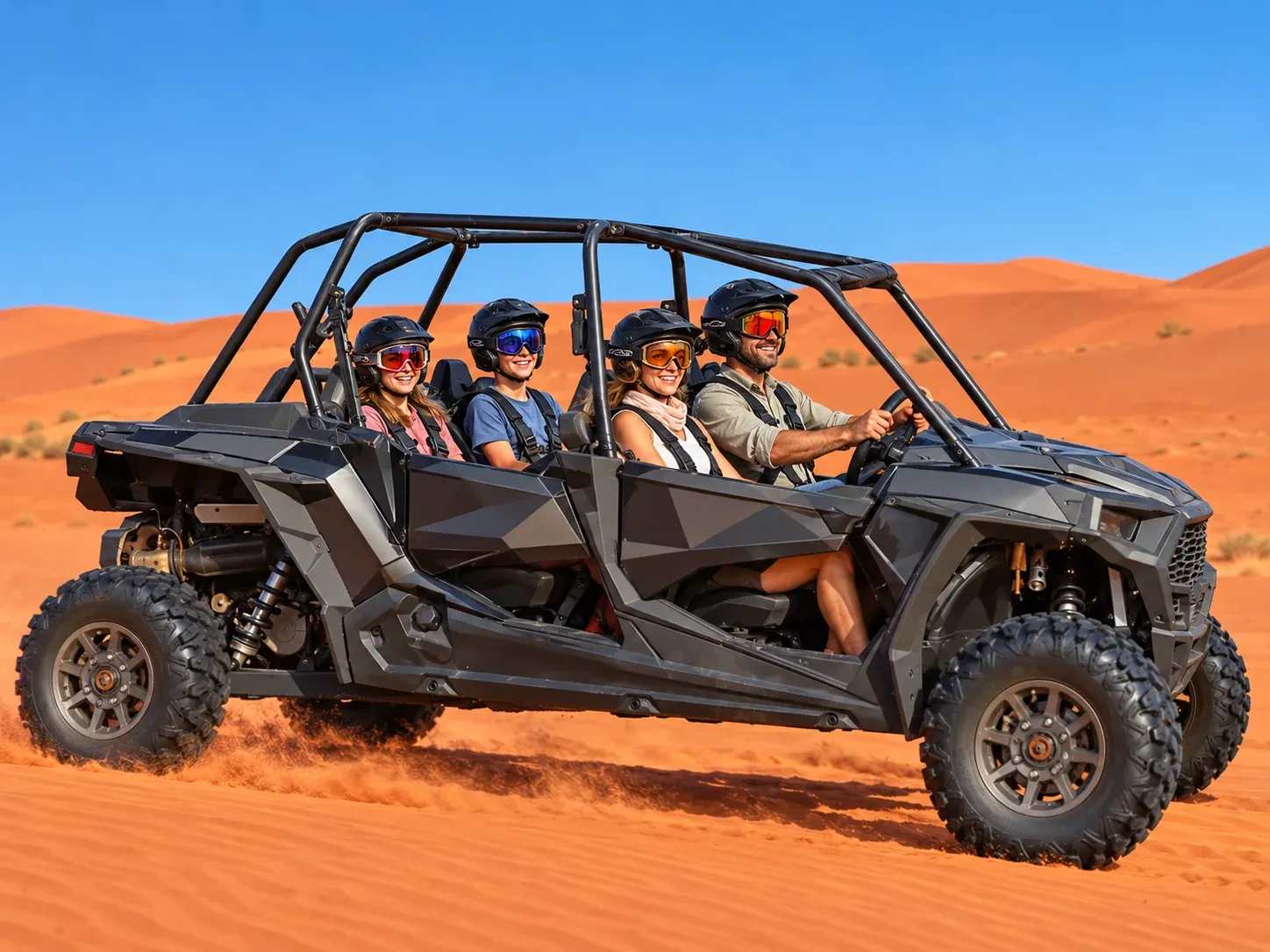
When browsing information connected with polaris dune buggy dubai, keep the focus on fit rather than appearance. A polished vehicle matters less than one that is suitable for the terrain, properly maintained, and matched to the driver's ability. On dune-buggy-dubai.net, the subject is best approached by comparing capabilities, not by assuming that one model suits every desert outing.
Check the vehicle's power and weight balance
Engine size is easy to notice, but it is only part of the picture. Power helps when climbing dunes or carrying passengers, yet control and balance matter just as much. A buggy with plenty of power can still be tiring to drive if the steering feels heavy or the throttle is abrupt. A smaller machine may feel more manageable on rolling sand if it has a well-balanced chassis.
Ask how the buggy behaves on soft sand and cresting dunes. The useful answer will mention traction, steering response, and the way the vehicle settles after a turn. Vague claims about speed are less helpful than a plain description of how it handles normal desert conditions.
Weight distribution is another point to watch. Passengers, bags, and equipment should be placed so the buggy remains balanced. Avoid loading one side heavily or stacking gear behind the seats. If the vehicle has a cargo area, check that it is suited to sand driving and that items can be secured without interfering with the driver or controls.
Look closely at suspension and tyres
Suspension is one of the most important parts of a dune buggy. The Dubai desert can change from firm tracks to soft sand and uneven dune faces within a short distance. Good suspension helps the vehicle stay composed, reduces jarring for passengers, and makes steering more predictable. When comparing options, ask whether the setup is suited to dunes rather than only to flat trails.
Tyres deserve the same attention. Sand tyres are designed to spread the load and help the buggy float over soft ground. The wrong tyre can dig in, cause wheel spin, or make steering feel vague. Check that tyres are in sound condition, with no obvious damage, severe wear, or unusual bulge. Also ask whether pressures are adjusted for sand conditions, since tyre pressure has a direct effect on grip and comfort.
Do not try to repair or adjust mechanical components yourself unless you are qualified to do so. If a tyre looks damaged, steering feels uneven, or the buggy makes unusual noises, the sensible step is to report it and let a qualified professional inspect it. A visible problem before a ride is far easier to deal with than one that appears deep in the desert.
Match the route to the driver's experience
A good vehicle choice depends heavily on where it will be driven. Flat desert routes are forgiving and suit first-time riders who want to learn the feel of sand. Tall dunes require more judgement, including how to approach a slope, how to read the crest, and when to slow down. A guided tour can be useful for people who want route knowledge and a clearer sense of pacing.
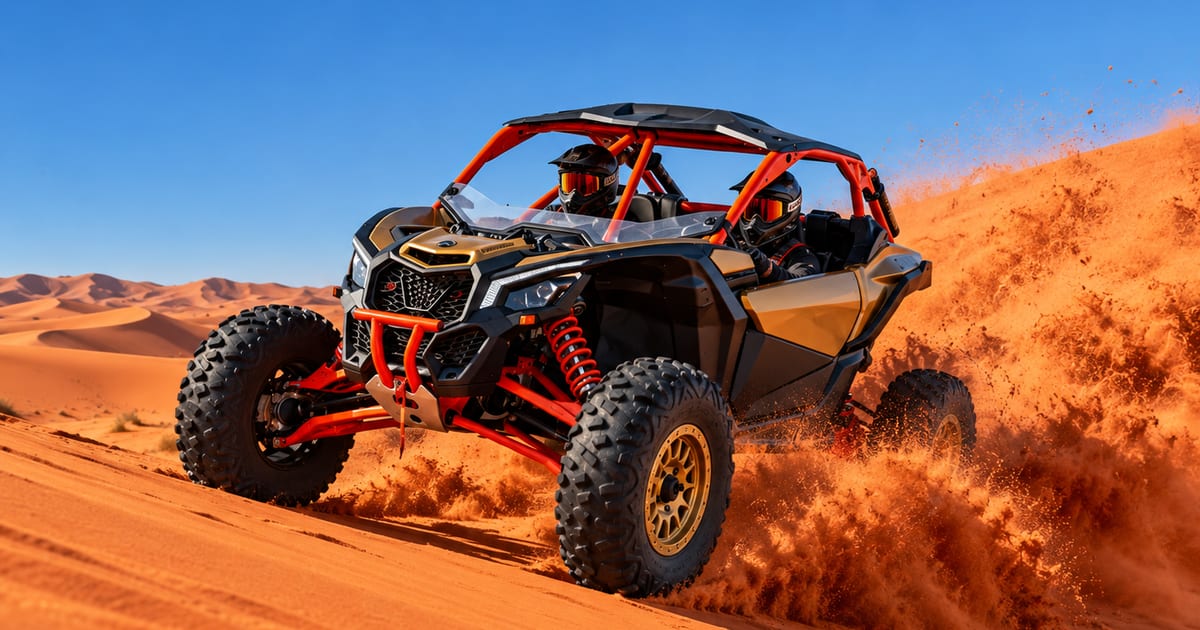
Ask about the route before committing. Find out whether it includes steep dunes, narrow tracks, rocky patches, or open areas where speeds may rise. If the answer is unclear, ask for a description in plain terms. A route that matches the group's experience is usually more enjoyable than one chosen only for dramatic scenery.
Driver confidence matters here. Sand driving rewards smooth inputs. Sudden acceleration, harsh braking, and sharp steering can make the buggy harder to control. If the group includes new drivers, choose a vehicle that responds calmly and a route that allows space to practise. More confident groups can consider a livelier buggy, but only when the terrain and supervision support it.
Confirm safety equipment and basic procedures
Safety gear should be treated as part of the vehicle choice, not an afterthought. A helmet that fits properly is essential. Seat belts, gloves, and eye protection are also worth checking, especially in dusty conditions. Clothing should cover loose ends that could catch on controls, and footwear should give a firm feel on the pedals and floor.
Before setting off, take a few minutes to understand the controls. Know where the throttle, brake, gear selector, handbrake or parking control, and indicator points are, if fitted. Ask how to stop safely, how to signal a problem, and what to do if the group separates. These details are simple, but they make the drive calmer for everyone.
Also ask what arrangements exist for recovery and communication. Sand driving can become difficult if a vehicle becomes stuck or a driver takes a wrong turn. A sensible plan includes a way to contact the group, a clear meeting point, and people who know the route. If the answer sounds vague, pause and reconsider rather than relying on luck.
Compare comfort for the full desert day
Comfort changes the quality of the experience more than many buyers expect. A desert outing can involve heat, dust, and long periods in the sun. Seats should support the body without forcing the driver into an awkward position. Legroom, shoulder room, and visibility all matter, especially for passengers who are not used to off-road travel.
Check whether the buggy has useful protection from dust and sun, and whether there is somewhere to keep water within reach. Hydration is easy to overlook when attention is focused on dunes and photographs. A route with stops in shaded areas is more comfortable than one that keeps everyone exposed for long stretches.
Noise is another practical detail. Engine sound can be part of the appeal of a dune buggy, but excessive noise makes conversation difficult and can hide warning sounds from the vehicle. If possible, listen to the buggy at idle and under normal driving before deciding. Comfort is not a luxury here, it helps drivers stay alert and enjoy the route.

Ask direct questions before making the final choice
A few direct questions can prevent most poor decisions. Ask what the buggy is best suited to, what route is planned, what safety gear is provided, and what happens if conditions change. Pay attention to clarity. A helpful answer explains the limits as well as the strengths, because no off-road vehicle is right for every situation.
Be cautious of claims that sound too absolute. The Dubai desert changes with wind, heat, and use, so a vehicle that feels easy one day may demand more care another day. The right choice leaves room for judgement. It should let the driver enjoy the sand without pushing beyond skill, route conditions, or safety limits.
The final decision is a balance of vehicle, route, driver, and preparation. Choose the buggy that fits the people and the terrain, check the practical details before departure, and keep the drive smooth once the sand begins to shift under the wheels. That approach gives a far better result than selecting on engine size alone.